
Product Listing
Legumes
Inoculant
Use with Legumes to insure nitrogen fixing...
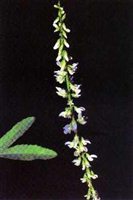
White Blossom Sweet Clover
Great for Bee Habitat
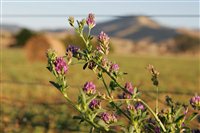
Alfalfa
The Queen of forages
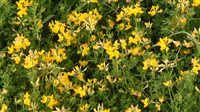
Birdsfoot Trefoil
Great salt tolerance for roadside mixtures.
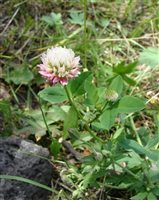
Alsike Clover
A winter hardy, perennial clover
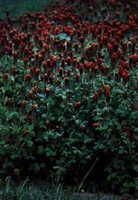
Crimson Clover
For landscape, habitat, and erosion control.
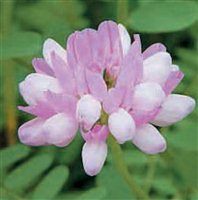
Crownvetch
Excellent for erosion control on steep banks.
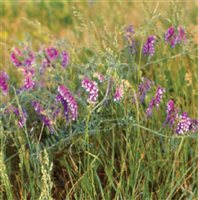
Hairy Vetch
Soil builder, erosion control, and habitat.
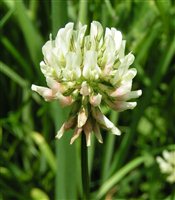
Ladino Clover
High yielding variegated clover with great vitamin, mineral, and protein content
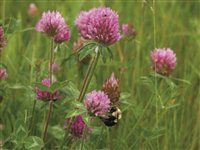
Mammoth Red Clover
Good for forage alone, or in mixes!
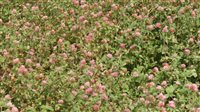
Medium Red Clover
2 Cut Clover
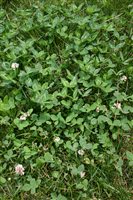
White Dutch Clover
Low growing clover for pasture or lawns
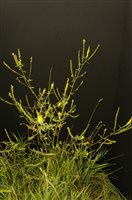
Yellow Blossom Sweet Clover
Add nitrogen to your soil naturally
 800-759-1520